Order Entry
Sweden
Orders LinkContactUsLinkComponent
ExamglovesFeaturecard.png

Laboratory Gloves

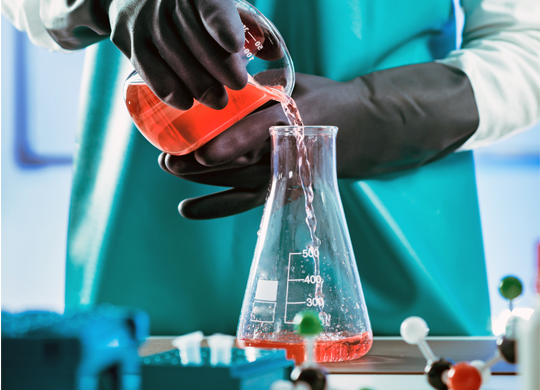
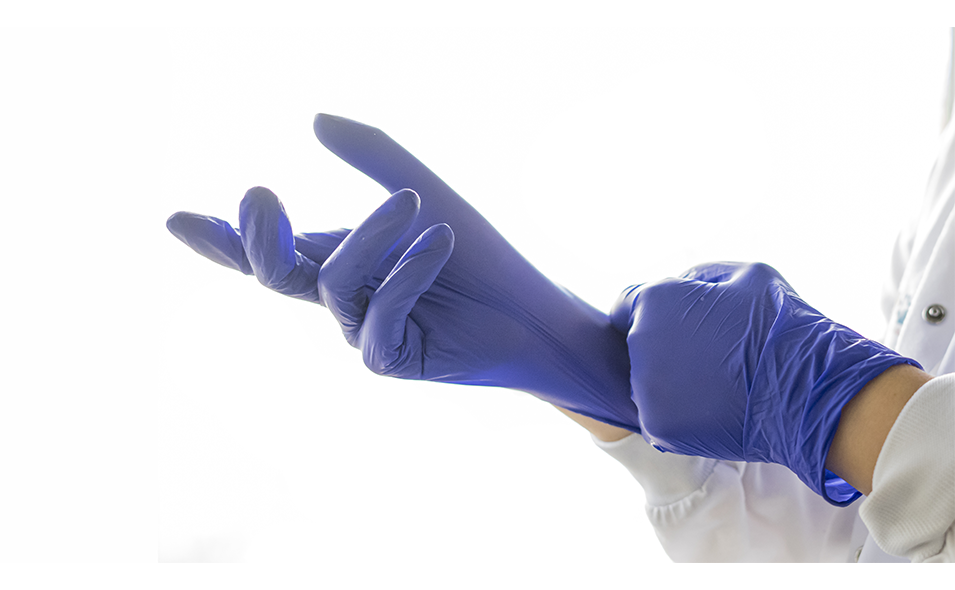
Support safety with laboratory gloves from Avantor®. Choose nitrile, latex or vinyl gloves for exceptional barrier protection and tactile sensitivity.
SHOP LABORATORY GLOVES

Laboratory gloves | Avantor
nitrile.png

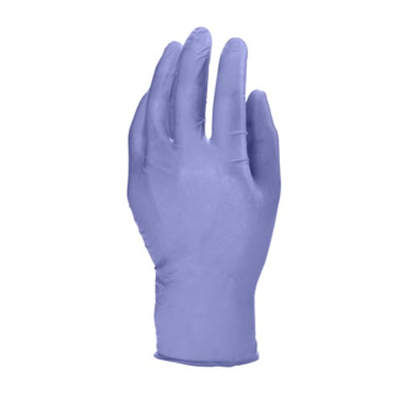
Thicker gloves can provide additional protection, but be sure to select gloves that offer a snug fit without restricting movement.
latex.png

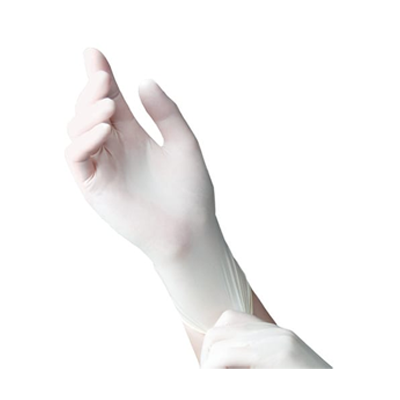
Powder-free gloves are preferred for medical use and in the lab to avoid potential contamination.
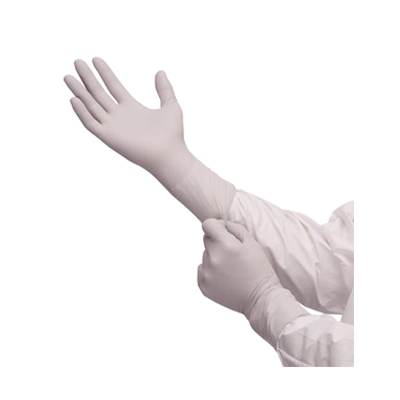
Sterile.png

Sterile gloves from Avantor help maintain safety and prevent contamination during surgical or high-risk procedures.
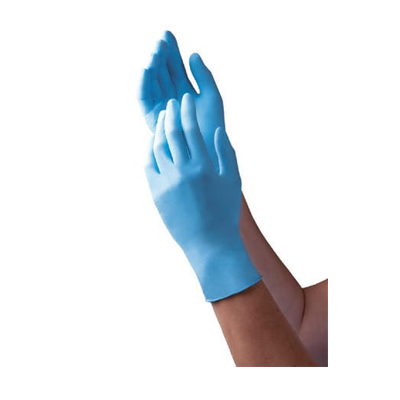
Textured.png

Choose gloves with a textured grip to help you securely handle instruments and slippery materials.

Material Composition Benefits Use cases
Nitrile Synthetic rubber (acrylonitrile butadiene) — latex free.
  • Excellent barrier protection against punctures and many chemicals.
  • No natural latex proteins for minimal latex allergy risk.
  • Good fit, durable for extended wear.
  • Laboratory work with chemicals or biologicals.
  • Healthcare or exam settings where latex allergies are a concern.
  • General use when strong barrier protection and durability are needed.
Latex Natural rubber from the Hevea tree. Contains proteins that may cause allergic reactions.
  • Excellent tactile sensitivity and flexibility.
  • Good barrier against many biological hazards in standard use.
  • Biodegradable, depending on processing.
  • Precision tasks that require high dexterity, such as surgery, when users are latex safe.
  • General examination or lab tasks without strong chemical exposure and where latex allergy risk is managed.
Vinyl Made of polyvinyl chloride (PVC) with plasticizers. Synthetic and latex free.
  • Lowest-cost option. Good for high-volume, short-duration use.
  • Latex free. Safe for users with latex allergies.
  • Suitable for low-risk tasks where barrier demands are minimal.
  • Food service or handling of low-hazard substances.
  • Brief patient interactions or administrative tasks in clinical settings.
  • Low-risk situations where cost is more important than performance.
Neoprene Synthetic rubber made from chloroprene. Excellent chemical and oil resistance.
  • Strong chemical resistance (acids, bases, oils and solvents).
  • Latex-free material, reducing allergy risk.
  • Durable in harsh environments, good flexibility in some formulations.
  • Lab environments with exposure to aggressive chemicals, solvents or mixed hazards.
  • Situations in which standard nitrile gloves may not offer enough of a chemical barrier.
  • Specialized healthcare or industrial tasks that require enhanced protection.

Choose the right glove material for chemical protection.png

​ Our chemical resistance chart can help you order the gloves that are best for your chemical exposure and personal sensitivity.

CHECK THE CHART

Read our Avantor disposable gloves guide

If you’re looking for disposable gloves, our comprehensive VWR® disposable gloves guide can help you make informed choices. You’ll get the detailed glove specifications you need to find the best fit for your needs.​

DOWNLOAD THE GUIDE