



Gloves That Protect
Avantor® offers a range of gloves that deliver protection and performance for applications ranging from laboratories and industrial settings to cleanrooms and controlled environments.
Get the gloves you need

Protect your hands during general work in medical/clinical or laboratory applications. Choose nitrile, latex or vinyl gloves for use across a wide range of applications

These gloves are made from low-particulate materials for strict contamination control in cleanrooms and controlled environments across the pharmaceutical, biotech and other industries.
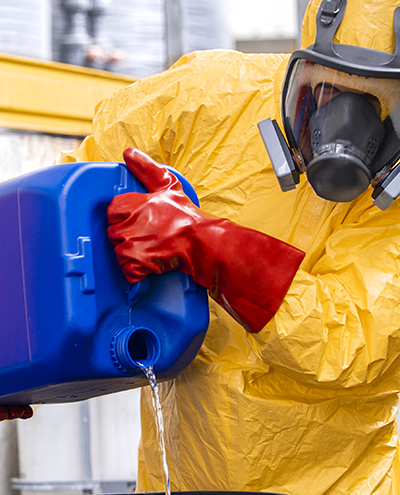
Our comprehensive selection of chemical-resistant gloves helps shield hands from hazardous liquids and solvents. They are ideal for chemical processing, agriculture and industrial cleaning.
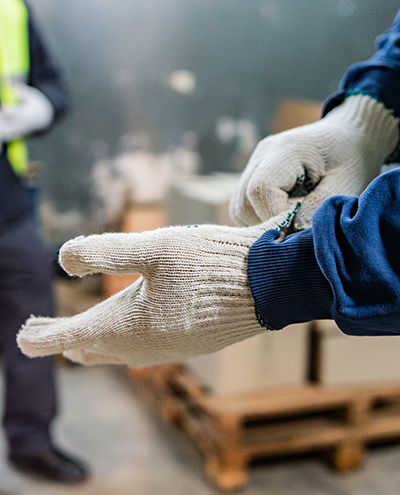
Industrial gloves from Avantor are durable and deliver strong protection against abrasion, cuts and punctures in manufacturing, automotive and construction settings.

Specialty gloves from Avantor meet unique demands, such as ESD protection, cryogenic handling and heat and cut resistance. These gloves are trusted in aerospace, electronics and high-temp manufacturing applications.



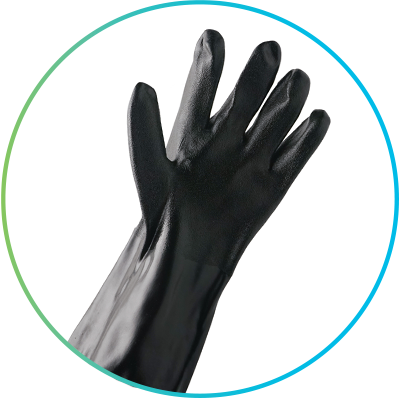
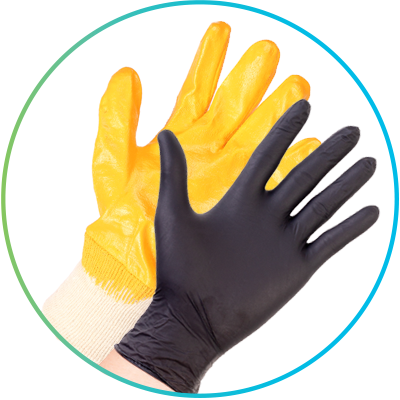
Which gloves are suitable for laboratory use?
Which gloves provide chemical resistance?
How do you choose the right glove material for chemical protection and allergy concerns?
The best glove material depends on the type of chemical exposure and your personal sensitivity to certain materials. Here’s how to make the right choice:
- Check the chemical resistance: Always refer to our chemical resistance chart to ensure you’re choosing a glove that can safely withstand the chemicals you’re handling.
- Refer to the chemical's material safety data sheet (MSDS): For specific recommendations, consult the product’s SDS (Section 8: Exposure Controls/Personal Protection). This section provides detailed guidance on appropriate protective equipment, including gloves.
Understand material differences:
- Latex gloves offer excellent tactile sensitivity and flexibility, but they may cause allergic reactions in people with Type I latex allergy.
- Nitrile, vinyl and neoprene gloves are latex free and often recommended for individuals with latex sensitivities.
- Some gloves may contain chemical accelerators used during manufacturing. These can trigger Type IV allergic reactions in sensitive users. If you are concerned, opt for accelerator-free gloves.
Support skin health: Regardless of the glove type, good hand hygiene can help reduce the risk of irritation. Always dry your hands thoroughly after washing and use a moisturizer regularly to maintain skin barrier integrity.
Why is glove size important when choosing disposable laboratory gloves?
Wearing the correct glove size is essential for both safety and comfort during laboratory work. Ill-fitting gloves can impact performance and increase the risk of contamination or injury:
- Gloves that are too tight may tear more easily, limit flexibility, cause hand fatigue or even puncture under stress.
- Gloves that are too loose can slip off during use, reduce tactile sensitivity and make it harder to handle delicate instruments or perform precise tasks, potentially leading to errors or accidents.
Avantor offers a wide range of glove sizes, typically from XS to XL, to help ensure every user can find a proper fit. For best results, select your size based on the glove manufacturer’s size guide and your hand measurements.
To find your correct size, measure the width of your palm.
| Palm width | Glove size |
| Up to 7 cm | XS |
| 7–8.2 cm | S |
| 8.2–9.5 cm | M |
| 9.5 –10.5 cm | L |
| 10.5–11 cm | XL |
| 11–12 cm | XXL |
We recommend you keep a variety of sizes available for your staff.
Are all gloves approved for handling food?
No, not all disposable gloves are certified for food contact use. Always check the glove specifications before using them in food handling or production environments.
You can use our glove selection tool to identify gloves that meet food safety standards.
VWR® brand gloves offered by Avantor include gloves that are suitable for food contact applications. Avoid using powdered gloves in food production settings, as powder particles may pose a contamination risk.
What is the shelf life of disposable gloves?
The typical shelf life of disposable gloves is 3 to 5 years from the date of manufacture, but actual longevity depends heavily on storage conditions. Always check your gloves’ packaging for specific shelf-life recommendations.
To maintain glove quality:
- Store gloves in a cool, dry place, away from direct sunlight or sources of heat and humidity.
- Avoid exposure to extreme temperatures, which can cause materials to degrade or become brittle over time.
- Practice first-in, first-out (FIFO) inventory rotation to ensure older gloves are used before newer stock.
Following proper storage guidelines helps preserve the integrity and performance of your gloves throughout their shelf life.
Do all disposable gloves protect against viruses and bacteria?
Not all disposable gloves are certified to protect against microorganisms such as viruses, bacteria and fungi. Gloves certified to EN ISO 374-5 are tested for protection against viruses, bacteria and fungi.
Avantor offers nitrile and latex gloves that have been certified under EN ISO 374-5 to ensure they meet the requirements for microbial barrier protection.
How should I dispose of used disposable gloves?
Proper disposal of disposable gloves depends on how they’ve been used and whether they’ve been exposed to hazardous materials. Contaminated gloves, such as those exposed to viruses, bacteria or fungi, are typically autoclaved and then incinerated to prevent biological risk and comply with safety protocols.
If gloves have not been contaminated, there are more sustainable disposal options available. Avantor supports efforts to reduce environmental impact through our ZERO WASTE recycling program, which allows customers to collect used, non-contaminated gloves and have them recycled into new materials or products.
To learn more about participating in this program, contact your Avantor PPE specialist.
Are disposable gloves a sustainable choice?
These efforts include:
- Using renewable energy sources, such as solar power
- Recycling production water, including the water used to wash gloves
- Promoting ethical labor practices, including fair wages and safe working conditions
Sustainability is important to Avantor. Our VWR Green nitrile gloves are manufactured using these responsible practices to combine performance with environmental and social responsibility.
Read our Avantor disposable gloves guide
If you’re looking for the right gloves for your lab, cleanroom or production environment, our comprehensive Glove Selection Guide can help you make informed choices based on application, material, chemical compatibility and regulatory requirements. You’ll get the detailed glove specifications you need to find the best fit for your workflow.